>>

A classic, savory au jus made from prime rib pan drippings, enriched with beef broth, a splash of red wine, and aromatic herbs—perfect for dipping and spooning over sliced beef.
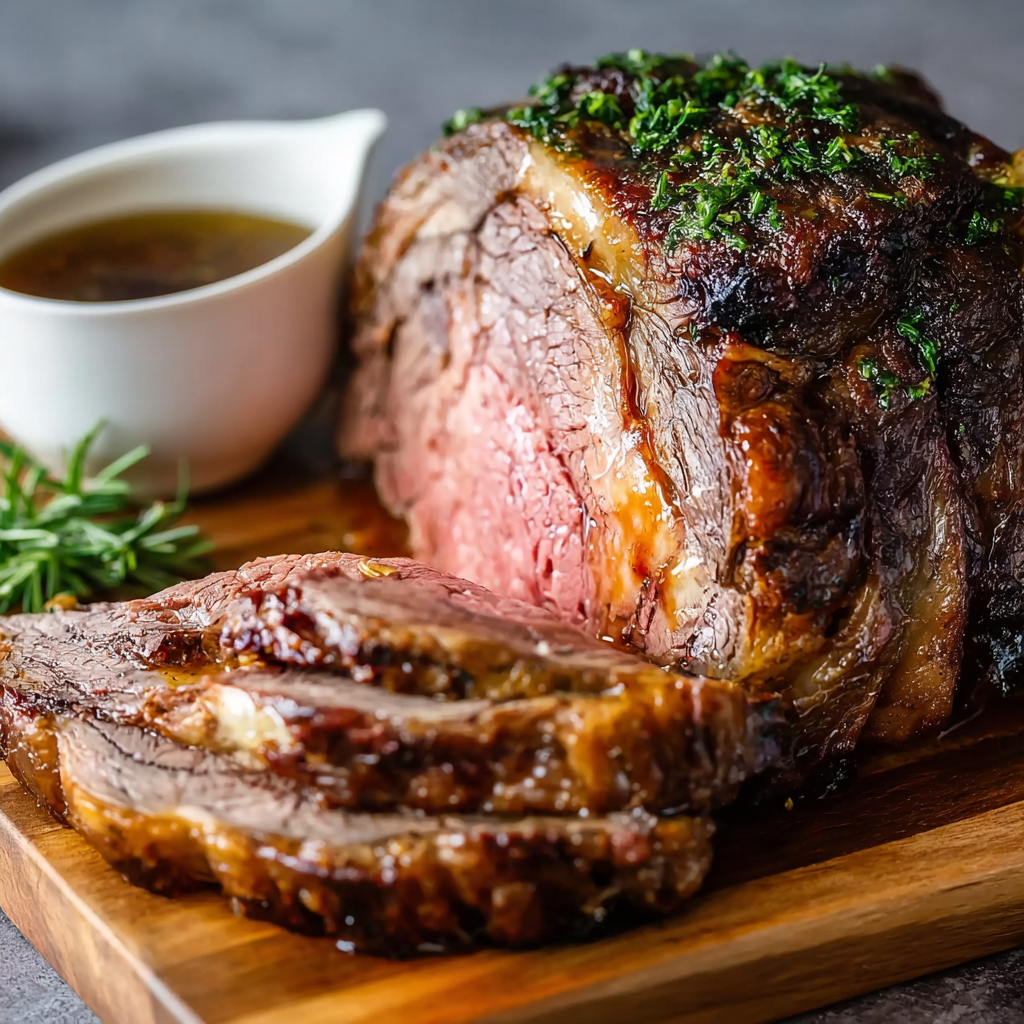
This au jus is the ideal finishing touch for a perfectly roasted prime rib. I first learned to make it on a holiday afternoon when a brisk winter storm kept the family home and everyone gathered around the oven. The roast came out beautifully browned, but the real revelation was what I did with the pan juices: a simple deglaze, a little stock, and a handful of aromatics transformed what would have been leftover drippings into a glossy, deeply savory sauce. Since then, it has been my go-to accompaniment whenever I roast beef for guests—versatile enough to spoon over slices for an elegant dinner and hearty enough for a casual, gravy-drenched sandwich the next day.
What makes this version special is its focus on purity of flavor: the natural sweetness of the browned bits, a restrained splash of dry red wine for depth, and a judicious use of Worcestershire for umami. The texture is light and pourable, not thick like a gravy, allowing the beef flavor to shine through. It’s quick to make, forgiving in technique, and showcases how a few simple steps can elevate the entire meal. I often find that even people who usually skip sauce end up ladling extra over their plates—there’s something comforting about dipping a slice of prime rib into warm, beefy jus.
Every time I serve this with prime rib, I watch guests instinctively reach for the gravy boat. My sister once declared it the reason she’d come to my holiday dinner every year—even when she offers to bring dessert. That kind of repeat request is the highest compliment in my kitchen.
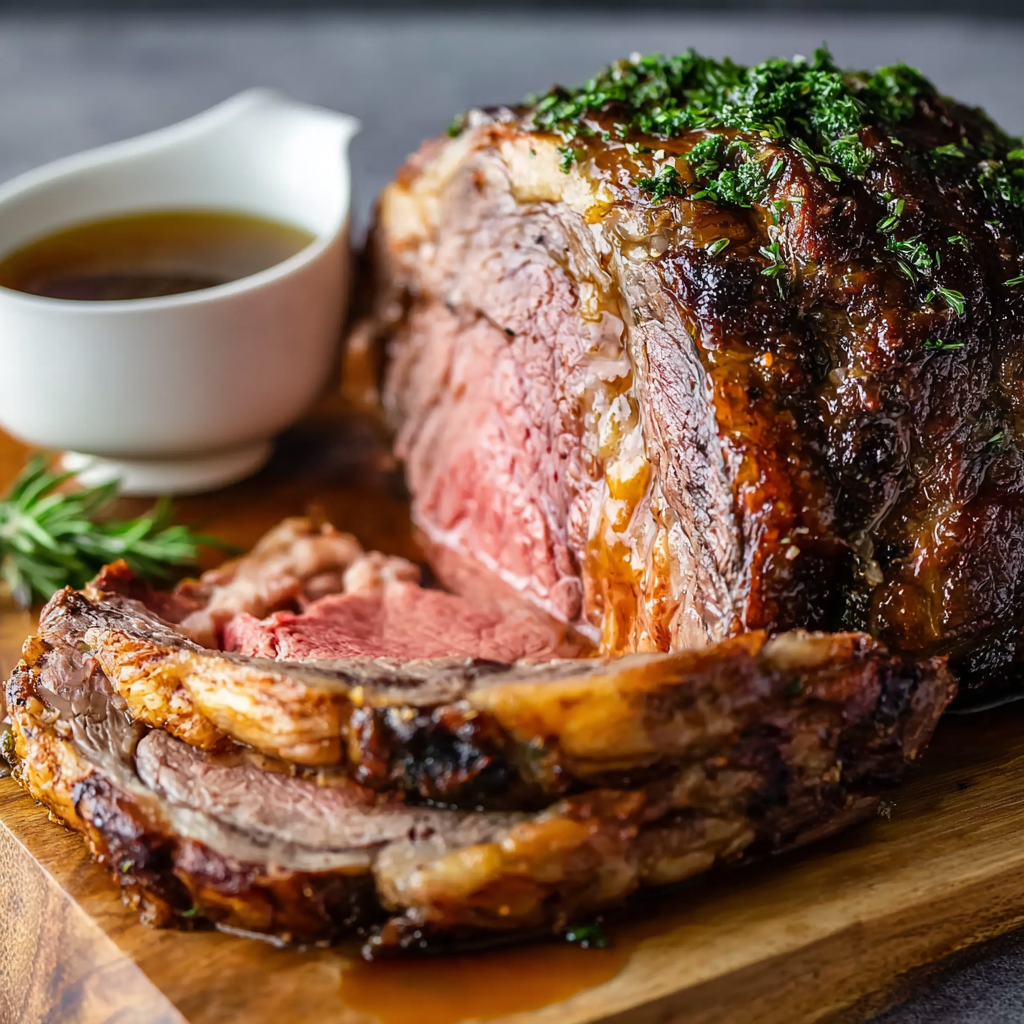
I love how adaptable this sauce is: a small change—extra wine, a different herb, or a longer reduction—creates a slightly different mood for the meal. One holiday I reduced it longer and it became a glossy, nearly syrupy glaze that clung to each slice; another time I kept it looser for easy dipping at a buffet-style dinner. Both ways were well-received.
Cool the sauce to room temperature before storing. For short-term storage, pour into a covered container and refrigerate for up to 3 days. For longer storage, freeze in portions—ice cube trays work well for single-serving amounts; once frozen, transfer cubes into a labeled freezer bag and keep up to 3 months. To reheat, thaw overnight in the refrigerator or gently warm on the stovetop over low heat, stirring occasionally. If the jus seems separated after refrigeration, a brief whisk over medium-low heat will emulsify it back together.
If you don’t have red wine, use an equal amount of beef broth plus 1 teaspoon balsamic vinegar to mimic the acidity and depth. For a non-alcoholic option, omit the wine entirely and increase broth by 1/4 cup. Swap Worcestershire for soy sauce, tamari, or coconut aminos depending on dietary needs; remember these vary in saltiness, so taste and adjust. If you prefer a thicker consistency, whisk in 1 teaspoon cornstarch dissolved in 1 tablespoon cold water and simmer an extra 1–2 minutes until slightly thickened.
Serve warm with thinly sliced prime rib and a hearty starch—garlic mashed potatoes, roasted fingerling potatoes, or buttery egg noodles all soak up the jus beautifully. For a lighter pairing, present with a simple green salad dressed in lemon vinaigrette to cut the richness. Garnish with a sprig of fresh thyme or a few cracks of black pepper for visual appeal. Leftover roasted beef and jus make excellent French dip sandwiches on a crusty roll.
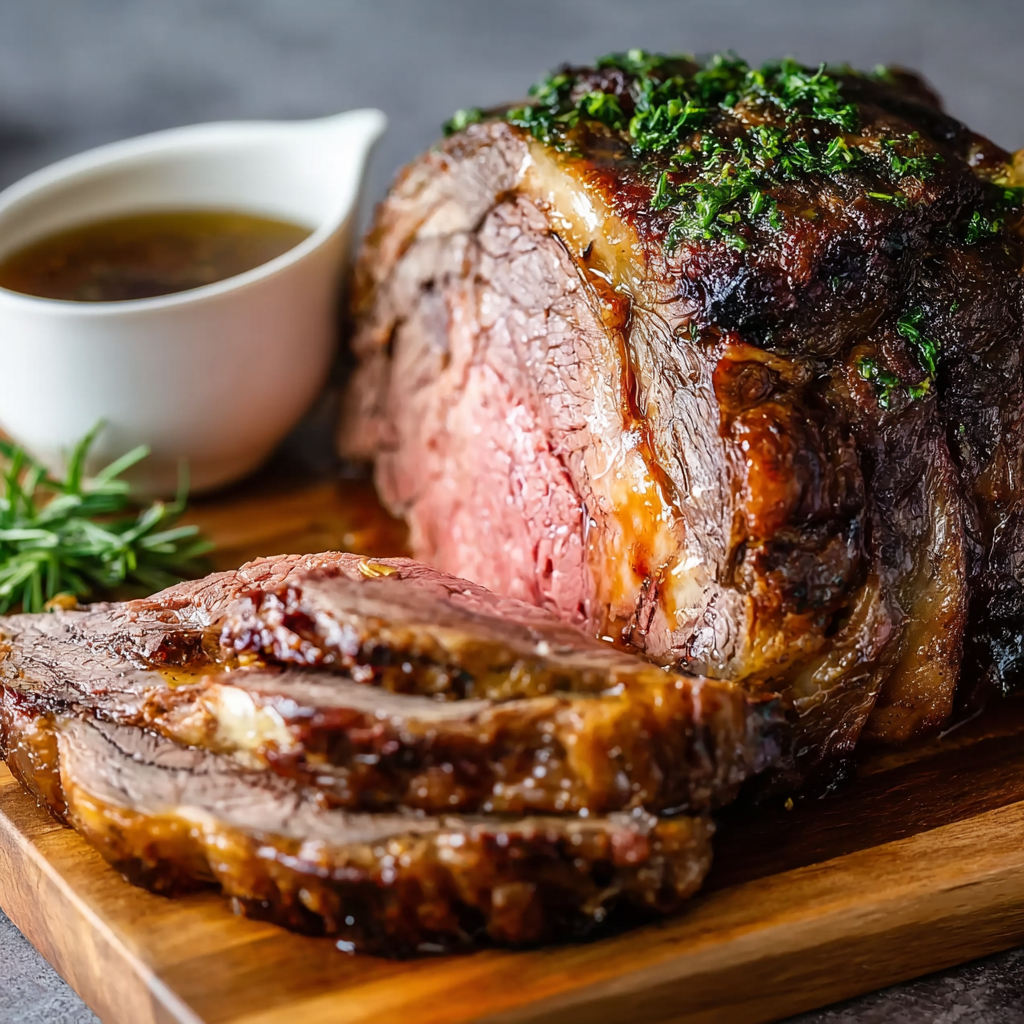
The concept of au jus originates from French culinary practice—literally “with juice”—where roasted meat is served with its natural cooking liquids. While traditional French preparations sometimes use minimal additions, American roast traditions embraced a slightly heartier version, enriching drippings with stock and seasonings to create a more robust pourable sauce. This simple technique showcases the utility of pan juices and reflects a broader culinary ethos: waste less, flavor more. It’s a technique that crosses cultures in form, appearing in variations across European and American kitchens.
In winter, amplify richness with a splash of fortified wine like Madeira or a teaspoon of demi-glace for holiday decadence. For summer gatherings or lighter meals, keep the sauce thin and bright—omit wine, add a squeeze of lemon, and finish with fresh herbs. During spring, consider fresh thyme or tarragon; in autumn, a small pinch of ground allspice or a teaspoon of apple cider vinegar complements roasted root vegetables alongside the beef.
If you roast large amounts of beef for the week, strain and portion the jus into small containers and refrigerate for up to three days. For quick assembly on dinner night, deglaze and reduce in the same pan you roasted the meat in while the roast rests—this saves cleanup and captures maximum flavor. If preparing ahead, keep the jus slightly under-seasoned; final salt adjustments are best made just before serving once reduced to the desired consistency.
Every time I pull the gravy boat toward the table, it feels like completing a circle: the roast yields its juices and those juices return to complete the meal. I encourage you to experiment with small variations and make the sauce your own—whether silky and light or reduced and intense, au jus is a simple demonstration of how respect for ingredients translates into memorable meals.
Collect pan drippings immediately after roasting and let them settle before skimming fat to preserve maximum flavor.
If the sauce tastes too salty after reducing, balance it with a small splash of water, unsalted beef broth, or a teaspoon of lemon juice.
For a gluten-free version, replace soy sauce with tamari and confirm Worcestershire is gluten-free or omit it.
This nourishing prime rib au jus recipe is sure to be a staple in your kitchen. Enjoy every moist, high protein slice — it is perfect for breakfast or as a wholesome snack any time.
This Prime Rib au Jus recipe makes perfectly juicy, tender, and flavorful steak every time! Serve with potatoes and a side salad for an unforgettable dinner in under 30 minutes.
After roasting, pour the pan drippings into a heatproof container; let them rest and skim off excess fat, leaving about 1/2 to 1 cup of flavorful juices.
Place the roasting pan over medium heat, add 1/4 cup red wine or broth and scrape up browned bits with a wooden spoon until deglazed, about 30–60 seconds.
Transfer deglazed liquid to a saucepan, add 1 to 2 cups beef stock, 1 tablespoon Worcestershire, smashed garlic, and a herb sprig; bring to a gentle simmer.
Simmer gently for 5–10 minutes to reduce slightly and concentrate flavors, keeping heat moderate to avoid over-reduction.
Strain through a fine-mesh sieve into a warmed serving vessel; taste and adjust with salt, pepper or a splash of water if too salty.
Serve immediately with sliced prime rib; use as a dipping sauce or spoon over the meat. Refrigerate leftovers up to 3 days or freeze up to 3 months.
Last Step: Please leave a rating and comment letting us know how you liked this recipe! This helps our business to thrive and continue providing free, high-quality recipes for you.
Leave a comment & rating below or tag
@easywhiskrecipes on social media!
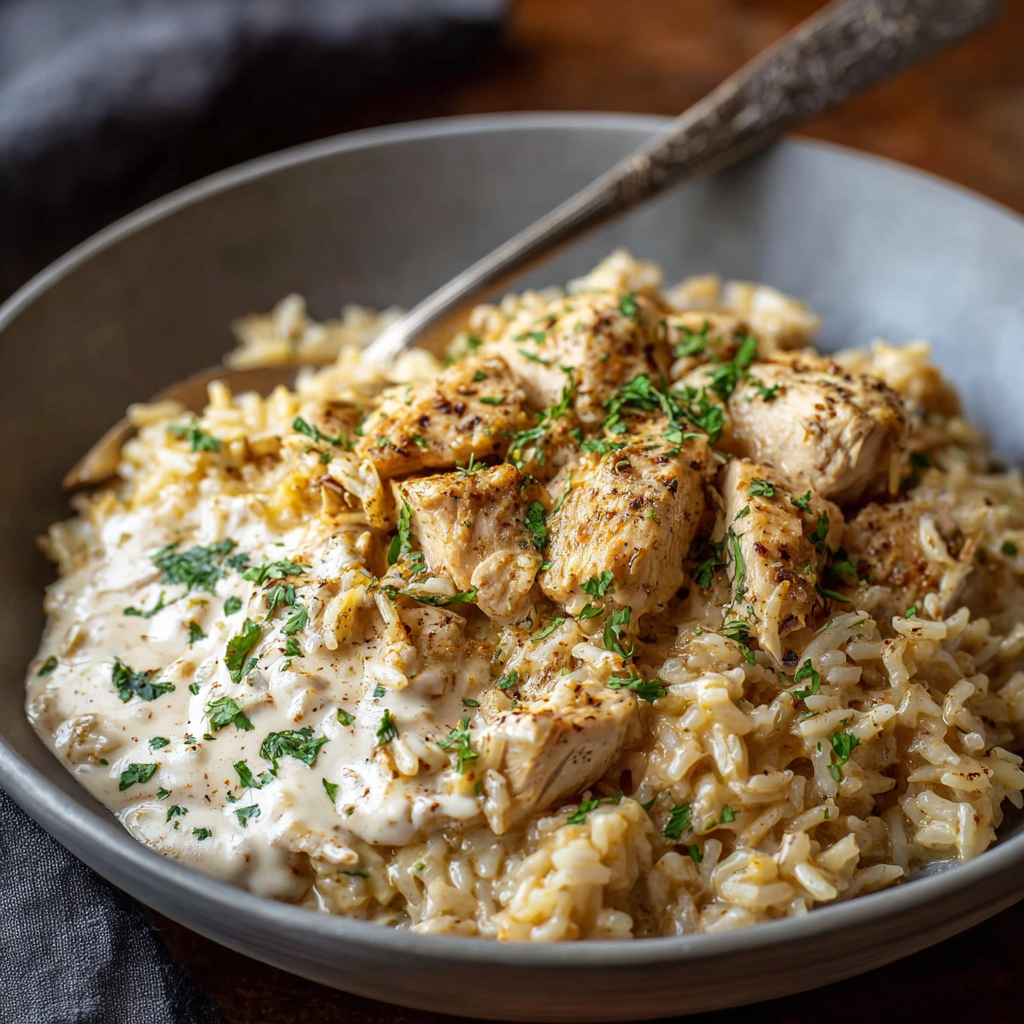
A quick and comforting one pot dinner of tender chicken, creamy rice, and vegetables cooked together in the Instant Pot for an easy weeknight meal.
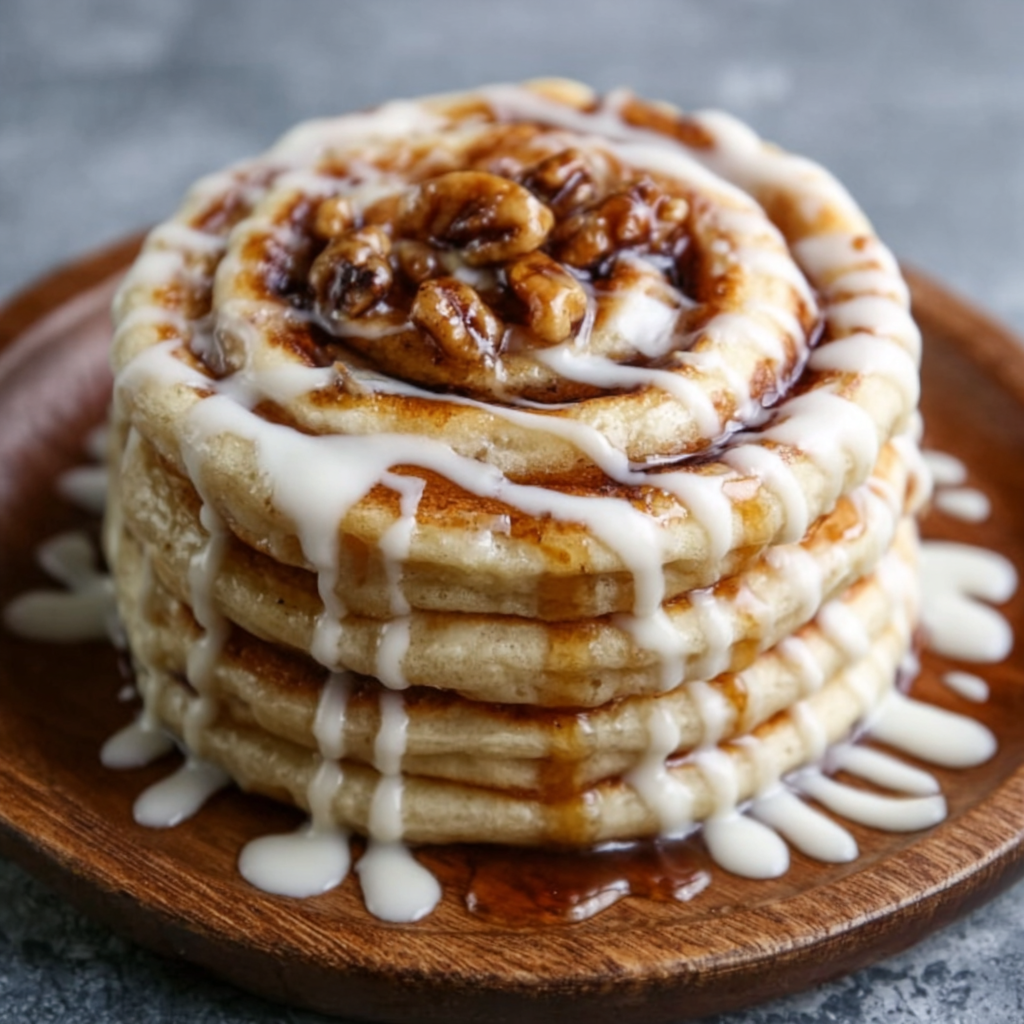
Fluffy pancakes swirled with a warm cinnamon filling and finished with a silky cream cheese glaze. Perfect for weekend brunches and cozy mornings.
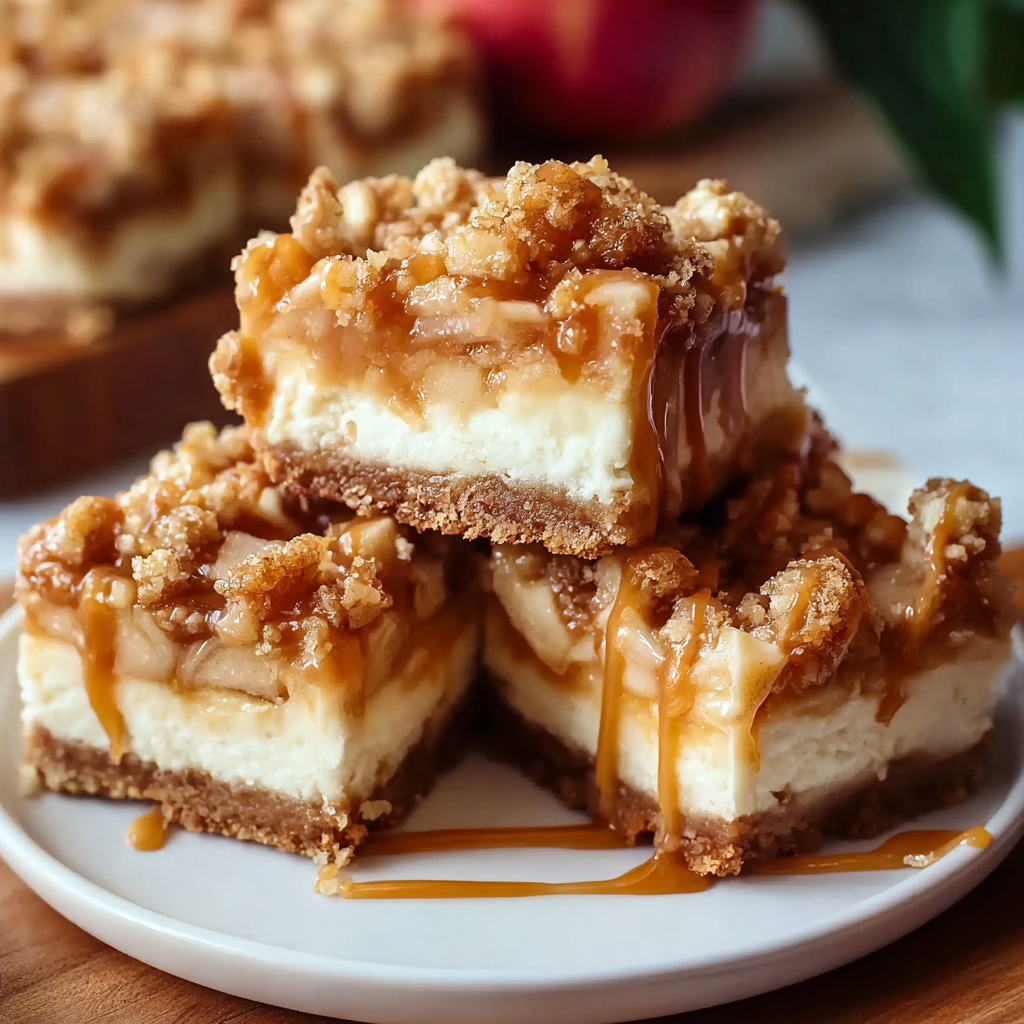
Buttery graham crust, creamy cheesecake, spiced Granny Smith apples, crunchy streusel, and a ribbon of homemade caramel — perfect dessert bars for gatherings.
Leave a comment & rating below or tag @easywhiskrecipes on social media!
Enjoyed this recipe? Share it with friends and family, and don't forget to leave a review!
This recipe looks amazing! Can't wait to try it.
Comments are stored locally in your browser. Server comments are displayed alongside your local comments.

Join to receive our email series which contains a round-up of some of our quick and easy family favorite recipes.