
>>

Buttery, flaky crescents made at home with simple pantry ingredients and time-honored folding technique — perfect for weekend baking and special breakfasts.

This recipe for homemade French croissants is my weekend ritual and the one I turn to whenever I want to slow down and bake something worth waiting for. I first attempted these croissants on a rainy Saturday when the local bakery had sold out; the house filled with the warm, sweet scent of butter and toasted bread, and by the time the first batch came out of the oven my partner and I agreed it was worth every minute. Croissants are special because the texture is all about layers: a crisp, golden exterior that shatters to reveal an airy, honeycombed interior. I discovered how sensitive they are to temperature and timing after many trials, so this version emphasizes steady chilling and gentle handling to get reliable rise and shine.
I love serving these for slow breakfasts with jam and strong coffee, or slicing them for ham-and-cheese sandwiches when we need a little luxury. The dough is enriched but not heavy: a balance of flour, a little sugar for color and taste, and milk and butter for tenderness. What makes this approach work is twofold — a well-mixed base dough and a cold butter block for lamination. If you follow the steps and respect the chilling windows, you will be rewarded with croissants that have real lift, thin flaky layers, and that irresistible buttery flavor that makes people close their eyes when they take the first bite.
On my first successful batch I remember pacing between the oven and the living room, listening to the tiny cracks as layers separated. My family finishes these in a day; sometimes I hide one for myself. Over time I learned subtle tricks—like brushing with egg wash only once before baking and watching edges when cutting—to protect those thin, delicate layers.

My favorite thing about making these is the predictability once you learn the dough’s feel: a slightly tacky surface, a firm butter block, and the visual cue of distinct rolled layers. Family and friends often ask for tips after tasting them, and many are surprised the process is more about patience than difficult technique.

To store baked croissants, cool completely on a wire rack, then place in a loosely sealed container or paper bag to avoid condensation that softens the crust. At room temperature they keep for one day; refrigerate up to three days but expect some loss of flakiness. For longer storage, freeze cooled croissants in a single layer in a freezer bag for up to three months. Reheat from frozen at 325°F for 8–12 minutes until warmed through and crisp, or thaw overnight in the refrigerator and re-crisp at 350°F for 6–8 minutes.
If you don’t have active dry yeast, use 2 teaspoons of instant yeast and mix directly with the flour—skip the proofing step. For richer flavor swap half or all of the milk for buttermilk; expect slightly tangier notes and tender crumb. European-style butter (82–86% fat) improves flavor and flakiness, but standard unsalted butter works fine. For a lighter profile use 3/4 cup butter in the beurrage and reduce layers, knowing the final pastry will be less rich. Gluten-free adaptations are difficult and not recommended for this technique.
Serve warm with unsalted butter and fruit preserves, or fill with ham and Gruyère for savory sandwiches. For a sweet twist sprinkle sugar before baking and glaze with a light apricot jam while warm. Pair with cafe au lait, espresso, or a citrusy tea. Garnish with sliced almonds and powdered sugar for a special brunch presentation. Small croissants are ideal for buffet-style gatherings, while larger ones make an elegant centerpiece for breakfast guests.
The croissant’s shape recalls the Austrian kipferl, brought to France in the 19th century and refined into the laminated pastry we know today. French bakers perfected lamination and expanded the technique to create pain au chocolat and other viennoiseries. Croissants are now a global symbol of French baking, celebrated for their buttery layers and morning ritual status. Learning the folding technique connects bakers to this long tradition of craft and patience.
In spring and summer, serve croissants with seasonal stone-fruit compotes or lemon curd. In fall and winter, try spiced pear compote and a smear of hazelnut paste inside for a comforting treat. Holiday versions can include nut and orange zest in the dough or a drizzle of dark chocolate after baking. Small adaptations like citrus zest in the dough or a dusting of cinnamon sugar create seasonal interest without changing technique.
Prepare the base dough the night before and refrigerate; this deepens flavor and reduces active morning work. Complete shaping the night before, then proof in the refrigerator overnight and bake fresh in the morning. For event prep, freeze shaped, unbaked croissants and transfer to the refrigerator the day before baking to thaw and proof slowly. Use shallow plastic containers or half-sheet pans for stable freezing and transport.
These croissants reward the baker who values rhythm over speed: a few hours of controlled folding and chilling deliver countless flaky layers and a buttery, satisfying result. Invite friends, pour coffee, and enjoy the small luxury of a homemade croissant together.
Keep butter and dough cold to preserve distinct layers and prevent leakage during rolling.
Use a sharp knife or pizza cutter and clean cuts between rolls to avoid sealing edges and impeding rise.
Proof until noticeably puffy but not collapsed; overproofing reduces oven spring and flakiness.
Chill the dough between turns to relax gluten and firm the butter, making subsequent rolling easier.
Brush gently with egg wash once before baking to protect fragile layers from collapsing.
This nourishing homemade french croissants recipe is sure to be a staple in your kitchen. Enjoy every moist, high protein slice — it is perfect for breakfast or as a wholesome snack any time.
Yes, you can shape and freeze unbaked croissants for up to 3 months. Bake from frozen by allowing a brief thaw and then adding a few minutes to the baking time.
Proofing time varies with temperature; at room temperature expect 1.5–2 hours. In cooler environments allow longer and look for a puffy, slightly jiggly feel.
This Homemade French Croissants recipe makes perfectly juicy, tender, and flavorful steak every time! Serve with potatoes and a side salad for an unforgettable dinner in under 30 minutes.
Whisk flour, sugar, and salt. Proof yeast in warm milk until foamy, then mix with melted butter and add to dry ingredients. Knead until smooth and slightly tacky, about 3–5 minutes.
Compress cold butter between parchment to form a 6-inch square and chill if too soft. The block should be firm yet pliable for lamination.
Roll dough to a 12-inch square, place butter diagonally, and fold dough corners over to fully encase the butter. Seal edges carefully.
Roll into an 8x20-inch rectangle and fold into thirds. Chill 30 minutes. Repeat two more times for a total of three turns, chilling between each.
After final chill, roll dough to 1/4-inch thickness, trim edges, cut 5-inch-wide triangles, stretch gently and roll from base to tip. Place on a parchment-lined sheet.
Let shaped croissants proof for 1.5–2 hours until puffy. Preheat oven to 400°F, brush with egg wash, and bake 18–22 minutes until deep golden. Cool 10 minutes before serving.
Last Step: Please leave a rating and comment letting us know how you liked this recipe! This helps our business to thrive and continue providing free, high-quality recipes for you.
Leave a comment & rating below or tag
@easywhiskrecipes on social media!

A quick and comforting one pot dinner of tender chicken, creamy rice, and vegetables cooked together in the Instant Pot for an easy weeknight meal.
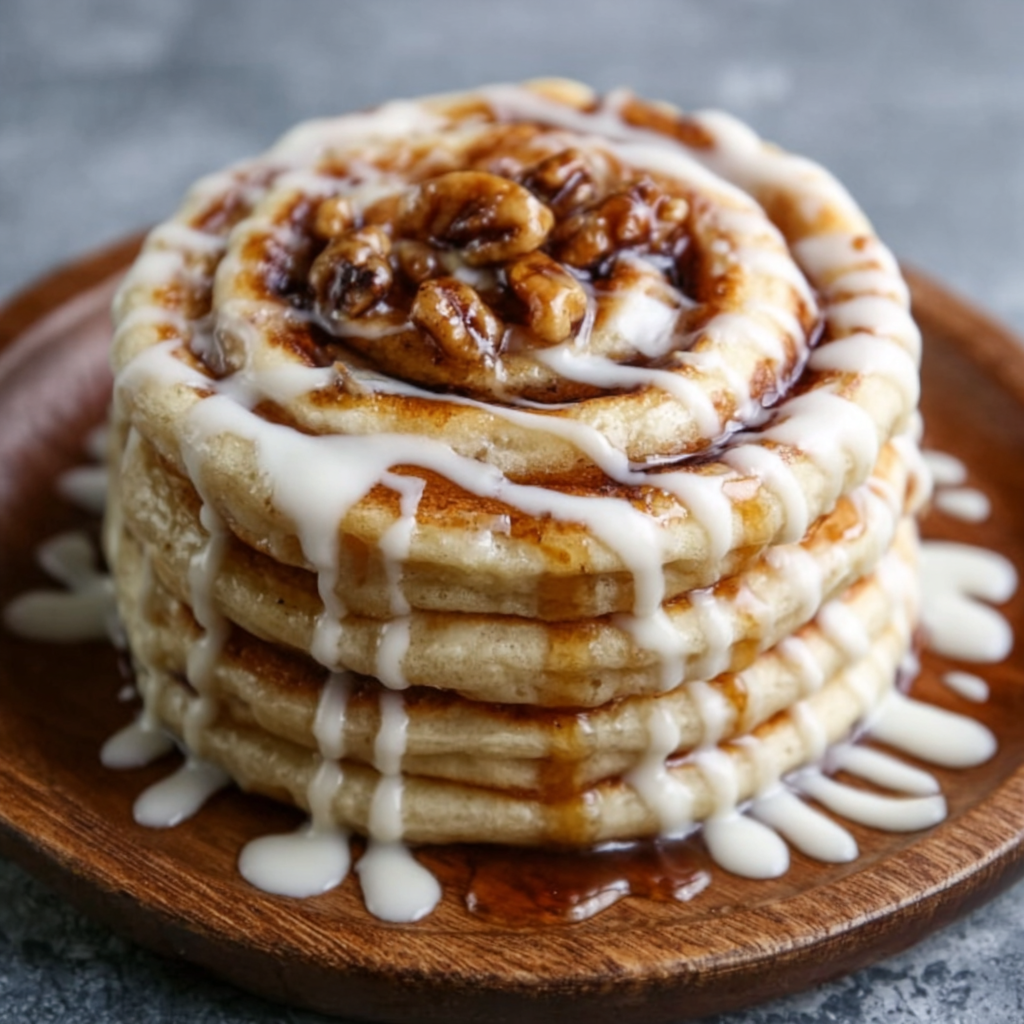
Fluffy pancakes swirled with a warm cinnamon filling and finished with a silky cream cheese glaze. Perfect for weekend brunches and cozy mornings.
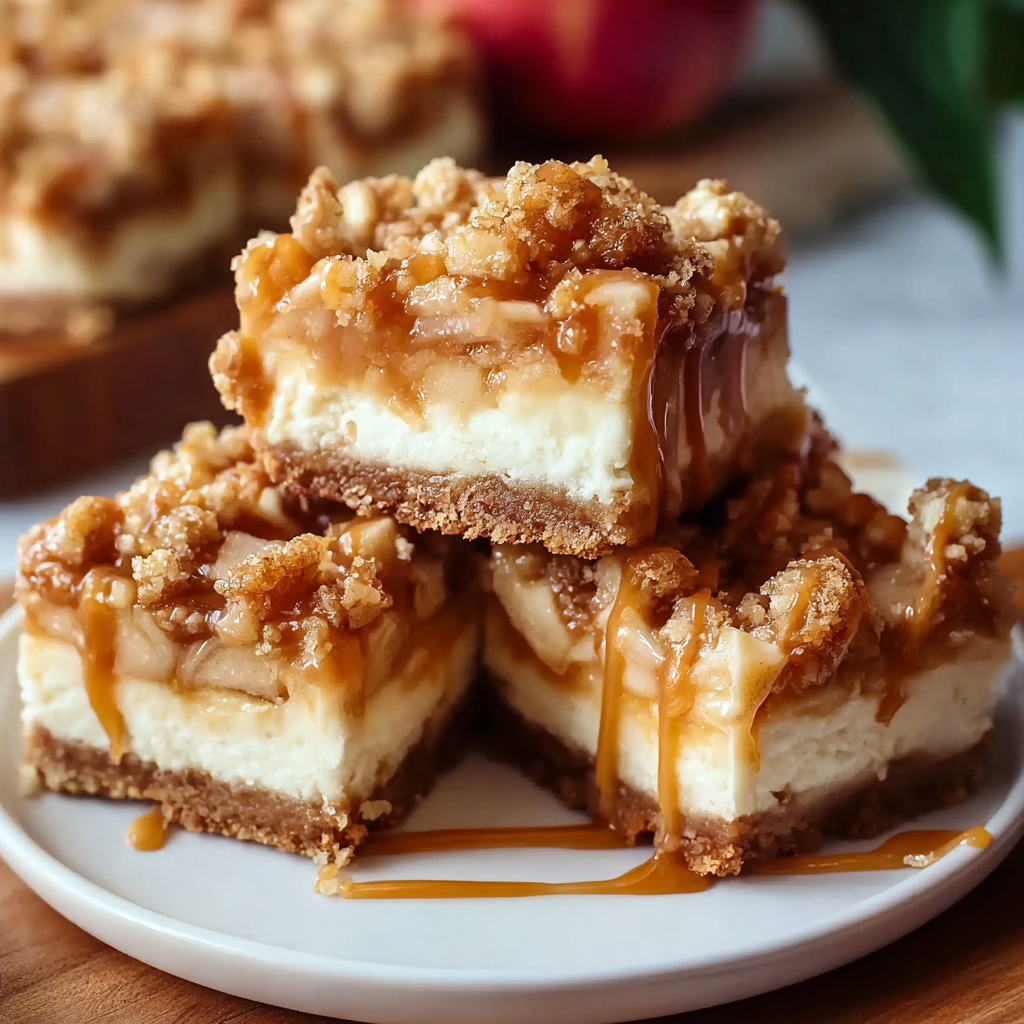
Buttery graham crust, creamy cheesecake, spiced Granny Smith apples, crunchy streusel, and a ribbon of homemade caramel — perfect dessert bars for gatherings.
Leave a comment & rating below or tag @easywhiskrecipes on social media!
Enjoyed this recipe? Share it with friends and family, and don't forget to leave a review!
This recipe looks amazing! Can't wait to try it.
Comments are stored locally in your browser. Server comments are displayed alongside your local comments.

Join to receive our email series which contains a round-up of some of our quick and easy family favorite recipes.